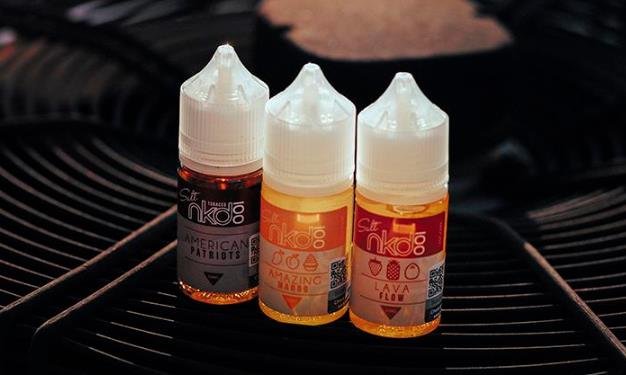
The path from tobacco addiction to complete abstinence is not a linear process, but a complex neurobiological and psychological transformation. For many former smokers, switching to nicotine-free e-liquids means switching (0 mg/ml) that final, often the most difficult milestone. While the e-cigarette is primarily used as a tool Tobacco Harm Reduction (Damage minimization) serves, The goal of the “0 mg phase” is complete deconditioning.
This guide analyzes the mechanisms of withdrawal, the optimization of hardware and the pharmacological simulation of stimuli, to significantly increase the exit success rate.
I. Neurobiological Evaluation des Taperings
Nicotine withdrawal is primarily a neurophysiological challenge. Nicotine acts as an agonist nicotinic acetylcholine receptors (nAChR). Successful weaning requires the gradual reduction of receptor density (Downregulation).
Clinical time phases of adaptation
Based on common substitution protocols (z. B. Cochrane Tobacco Addiction Group) A cyclical approach is recommended:
- Adaptationsphase (4 weeks): Reduce the dose by maximum 25-33 %. This correlates with the regeneration time of receptor sensitivity.
- Plateau-Phase: Maintaining dose during stressful events, to prevent relapses towards tobacco smoke.
II. Sensory substitution: Die “Trigeminal bridge”
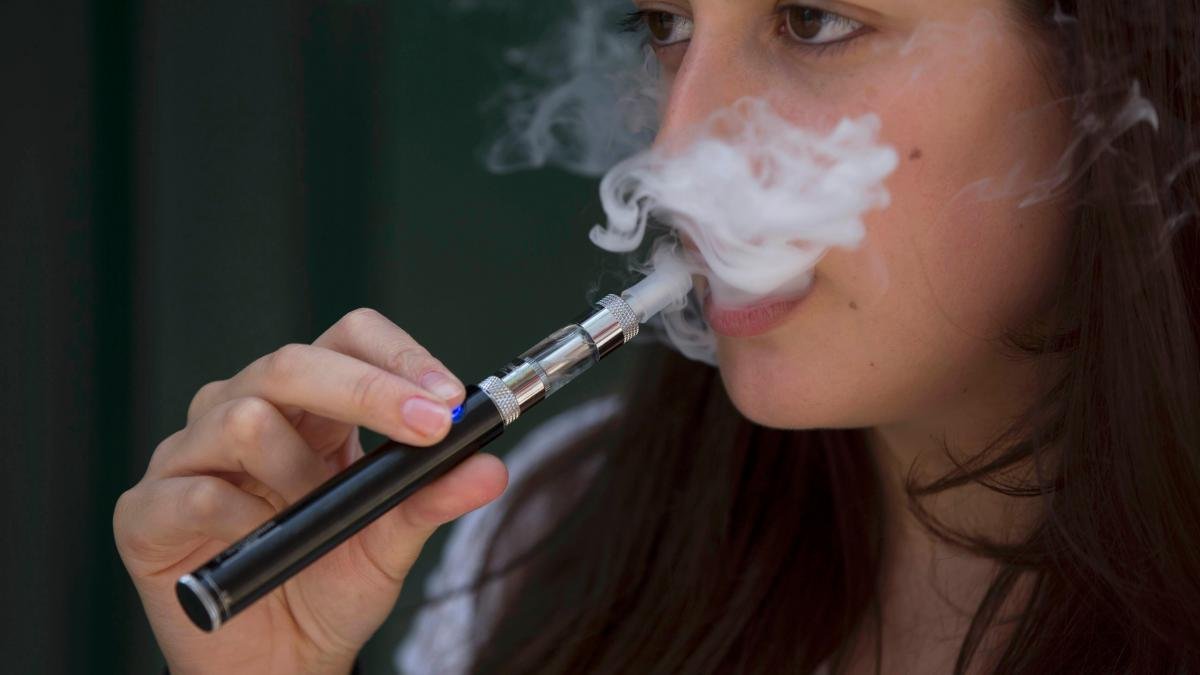
One of the biggest obstacles to giving up nicotine (0 mg/ml) is the elimination of the Throat Hits. Nicotine stimulates the sensory endings of the trigeminal nerve in the oro-pharynx. Without this stimulus, the usual feedback from the inhalation process is missing.
Stimulus simulation methodology
To chemically compensate for the lack of nicotine, the following additives are used:
- cooling agents (Cyclohexancarboxamide wie WS-23): These bind to TRPM8 receptors (Cold receptors). The resulting cold is neurologically interpreted as “pressure” or “sharpness” and replaces the nicotine flash.
- Propylene Glycol Modulation (PG): An increased PG/VG ratio (z. B. 60/40) increases the viscosity of the aerosol in the pharynx and increases the mechanical stimulus.
- Acid-flavor combinations: Terpenes from citrus fruits can cause slight mucous membrane irritation, which imitates the “bite” of nicotine.
III. Technical application & Precision mixing
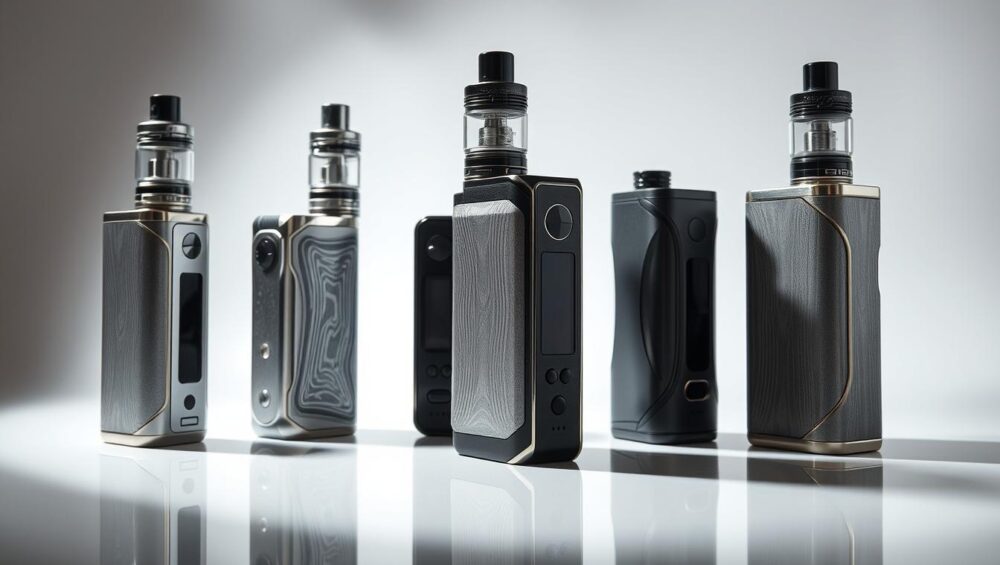
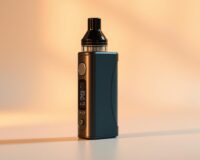
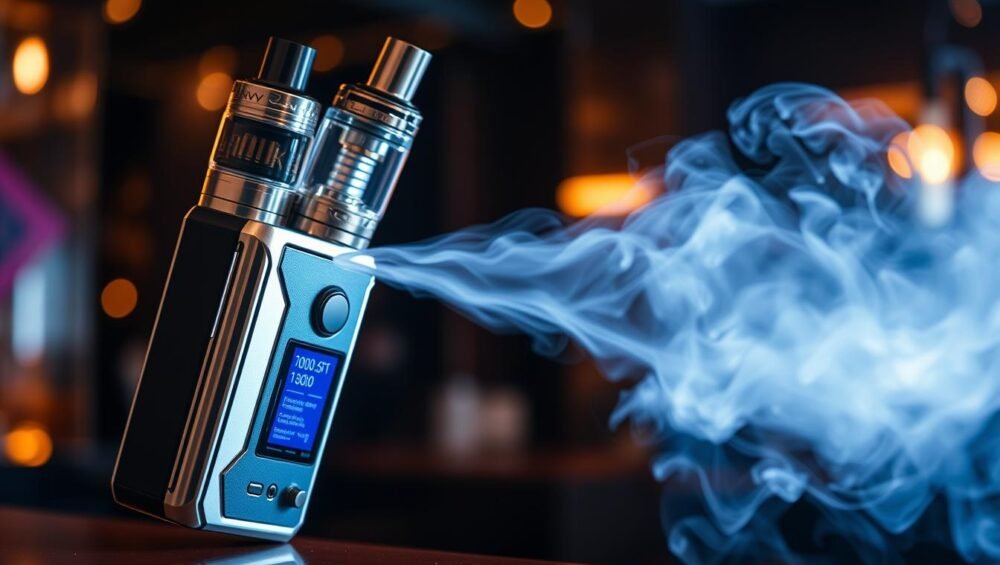
The hardware must when the nicotine level drops Extraction efficiency increase, to maintain psychological satiety.
Hardware parameters for the 0 mg transition
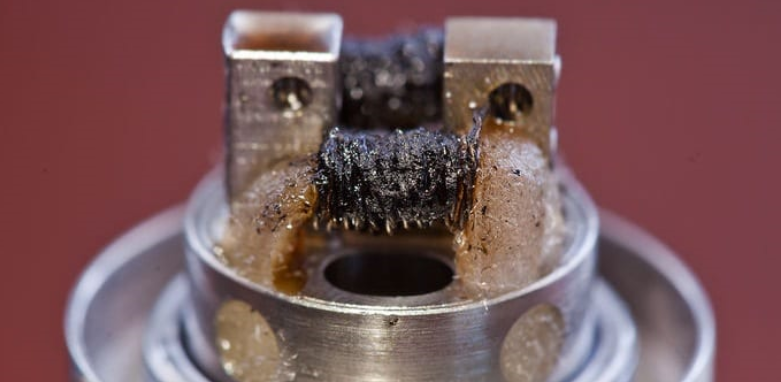
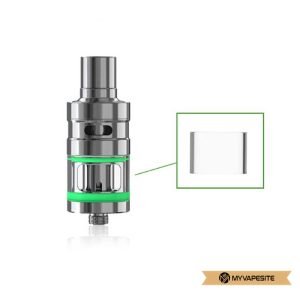
- Aerosol density: Increasing the surface area through mesh coils.
- Airflow dynamics: A restrictive lung strain (RDL) often offers the best balance between volume and sensory feedback.
Precision mixing matrix for gradual reduction
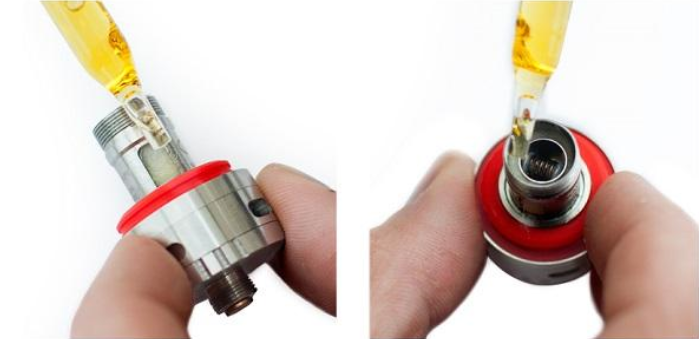
To bridge the gap between commercial strengths (z. B. 3 mg on 0 mg) close, is an exact mixing ratio (Intermixing) necessary:
| Target concentration | Portion 3 mg/ml (in ml) | Portion 0 mg/ml (in ml) | Computational basis |
| 2,25 mg/ml | 75 % | 25 % | $C_1V_1 + C_2V_2 = C_tV_t$ |
| 1,50 mg/ml | 50 % | 50 % | Standard-Intermix |
| 0,75 mg/ml | 25 % | 75 % | Micro-Dosing |
IV. Psychological behavioral extinction
The decisive clinical advantage of the 0 mg phase lies in the Erasure of conditioning. While maintaining the steaming ritual, the pharmacological reward is eliminated (Dopamin-Peak). Over a period of 8-12 weeks, this leads to the weakening of the addictive memory.
V. quality assurance & Safety information
1. Toxicological information
- Nikotinbase: Highly concentrated bases are toxic in contact with skin. Use of PPE (Gloves) is mandatory.
- ingredients: Only ingredients according to Ph. Eur. (European Pharmacopoeia) use.
2. Evidence limitations (Disclaimer)
This document summarizes empirical data from user practice and general neurobiological principles. It is about not about a medical guideline. There are no long-term studies, demonstrating the superiority of this specific regimen over other weaning methods (z. B. Behavioral therapy) prove beyond doubt.
3. Target group exclusion
This protocol is designed exclusively for adult nicotine addicts. Use by non-smokers, Pregnant women or people with chronic lung diseases (COPD, Asthma) is strictly prohibited.
Transparency notice: This report was prepared to provide information. There is no direct commercial sales order for specific liquid brands.